Quarters lost to discovery theater
Slide decks, workshops, and architecture debates while competitors ship. A sprint replaces the debate with a working product you can put in front of users.
The AI MVP Sprint takes one well-defined product idea — an LLM application, RAG assistant, agent workflow, or AI-powered tool — from scoping call to deployed, demoable product in 14 days. Senior engineers only, evaluation gates and cost telemetry designed in from day one, automatic AI progress tracking reporting every day's movement to you, and delivery for US, Canada, UK, and EU teams with real timezone overlap.
14 days
Scoping call to deployed product
158 TPS
Measured, published engineering
$0.47/M
Cost engineering built in
Slide decks, workshops, and architecture debates while competitors ship. A sprint replaces the debate with a working product you can put in front of users.
Typical US/UK agency AI builds start at six figures and 3-6 months. A fixed-scope sprint proves the product thesis first, for a fraction of that.
Most AI prototypes die when real data, real users, and real costs arrive. Sprint builds include evaluation gates and cost telemetry so the demo is the product.
Deep Dive
AI product risk is concentrated at the start: is the data good enough, does the model reach usable quality, do unit economics work? An open-ended engagement spreads that discovery across months of billing. A fixed sprint forces the risk questions to be answered in the first two days — and prices the whole thing before you commit.
The sprint inherits everything NavyaAI publishes: measured serving benchmarks, evaluation harnesses, and cost models. That's why cost telemetry and eval gates are in every build — they're not add-ons, they're how we work.
Sprint teams are senior engineers — the people behind our published benchmarks and production platforms — operating from an India cost base with working-hours overlap for US, Canada, UK, and EU clients. You get US-agency engineering quality at a price that lets you test a product thesis without betting the round on it.
Audit Focus
The first pass is designed to identify the smallest useful intervention: routing, caching, prompt control, serving tuning, or a deeper break-even audit.
A fixed cadence with demos throughout — you see the product grow, not a final reveal.
| Days | Phase | What you get |
|---|---|---|
| 1-2 | Scoping & architecture | Frozen scope doc, model/provider choice, data audit, success criteria |
| 3-6 | Core build | Working core loop deployed to staging — first demo |
| 7-10 | Product build | Full flows, UI, integrations — second demo with your team |
| 11-13 | Evals & hardening | Evaluation gates, cost telemetry, load checks, security pass |
| 14 | Handover | Production deploy, docs, repo transfer, support window starts |
How It Works
Step 1
30 minutes: the product idea, your data, your constraints. We tell you honestly whether it fits a 14-day window.
Step 2
Days 1-2 produce a frozen scope document, architecture, and the fixed price. No surprises after this point.
Step 3
Working software from day 6, demos at each phase, your feedback folded in while the sprint runs.
Step 4
Production deploy in your cloud, your repo, documentation, eval suite, cost telemetry, and a 2-week support window.
Bring the problem and the data you have. The scoping call defines the fixed sprint scope, deliverables, and price before any commitment.
$47K → $28K
Case study: a Llama 3 70B production workload moved from 4 GPUs to 2 with INT8 quantization, KV-cache pruning, and serving changes — a 42% monthly cost cut with 2.3x throughput.
Read the full auditFounder experience — US roles & engagements at
Code and Theory (Stagwell Group)ProsciaWolframHeyNeoTeCSAR Lab · UNC Charlotte
Shipped Work
Products we've engineered and clients we've served — real platforms in production, not slideware.

Construction execution platform for PMC firms — phase-gated workflows, tamper-proof site records, and snag-to-handover tracking that replaces spreadsheets and WhatsApp threads.
Full-stack platform: Next.js, Postgres, async job pipeline, field-team mobile flows.
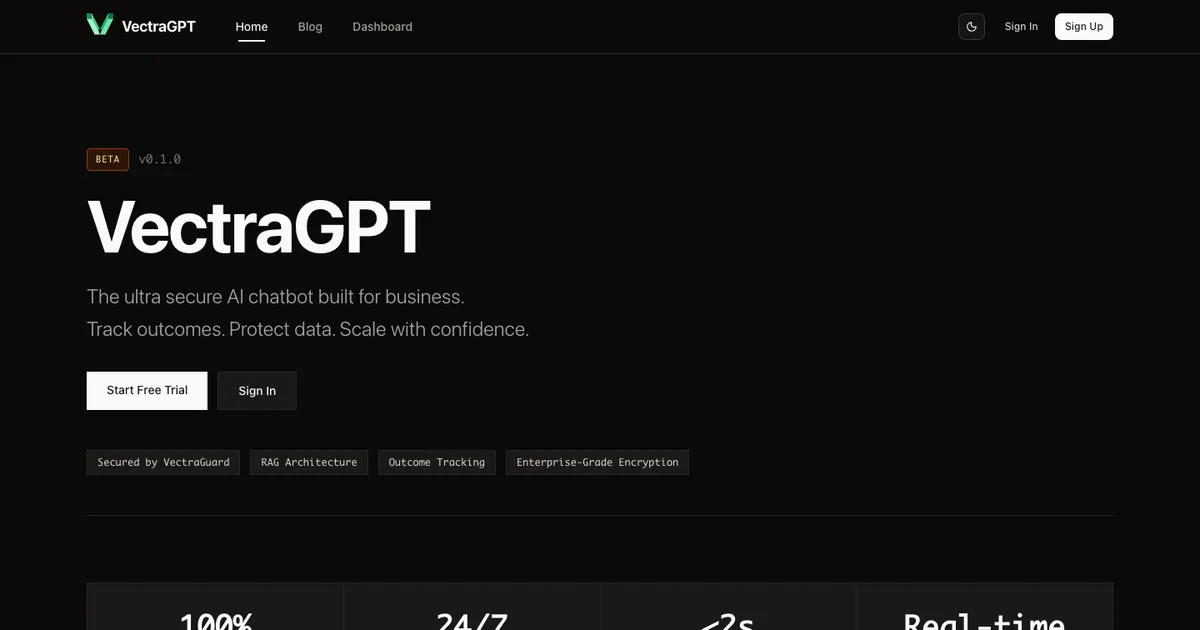
Secure AI chatbots for HR, support, and sales — RAG-powered answers from company documents with audit trails, aligned to GDPR and SOC 2 expectations.
RAG platform end to end: ingestion, retrieval, guardrails, multi-tenant serving.
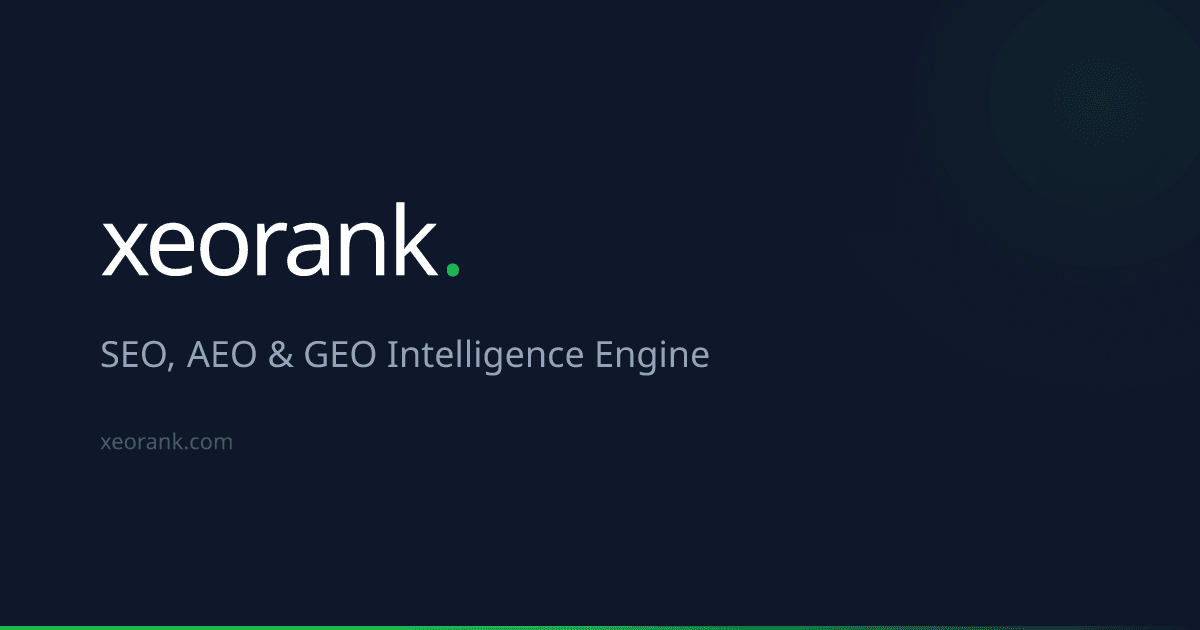
SEO, AEO & GEO intelligence engine for developers — triple scoring, Search Console integration, and CLI-first plus MCP agent workflows.
Agent-first product: MCP server, site crawler, scoring engines, WordPress control plane.
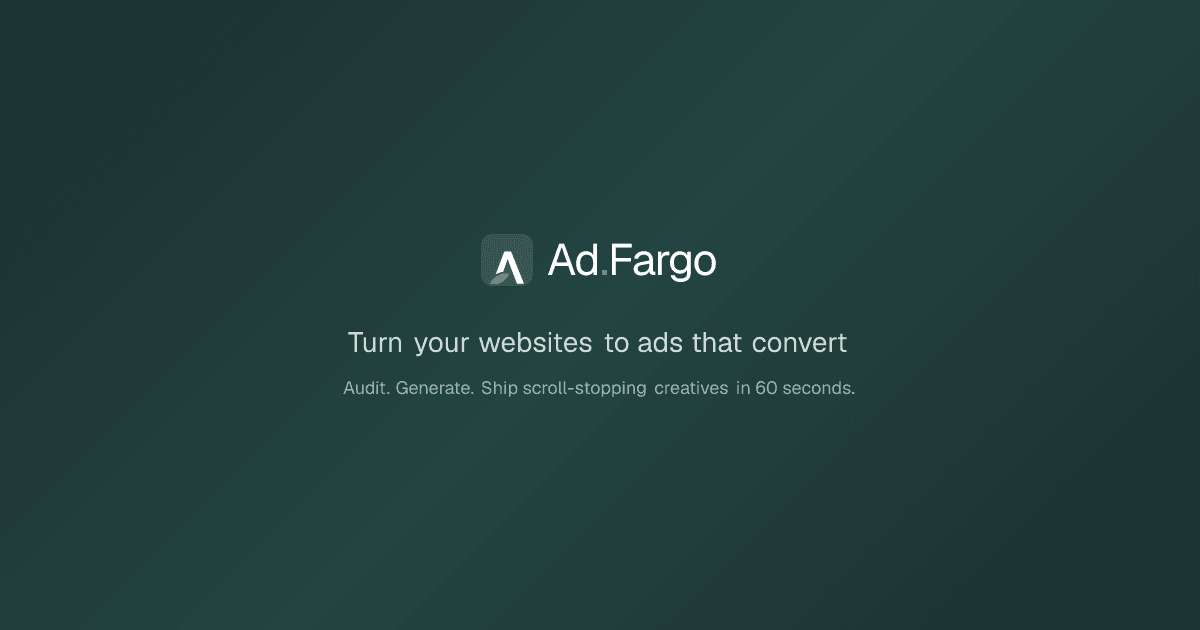
AI creative strategist — learns a brand from its URL and generates on-brand ads, video, and copy built to convert, in minutes.
Generative pipeline: brand ingestion to multi-format creative output.
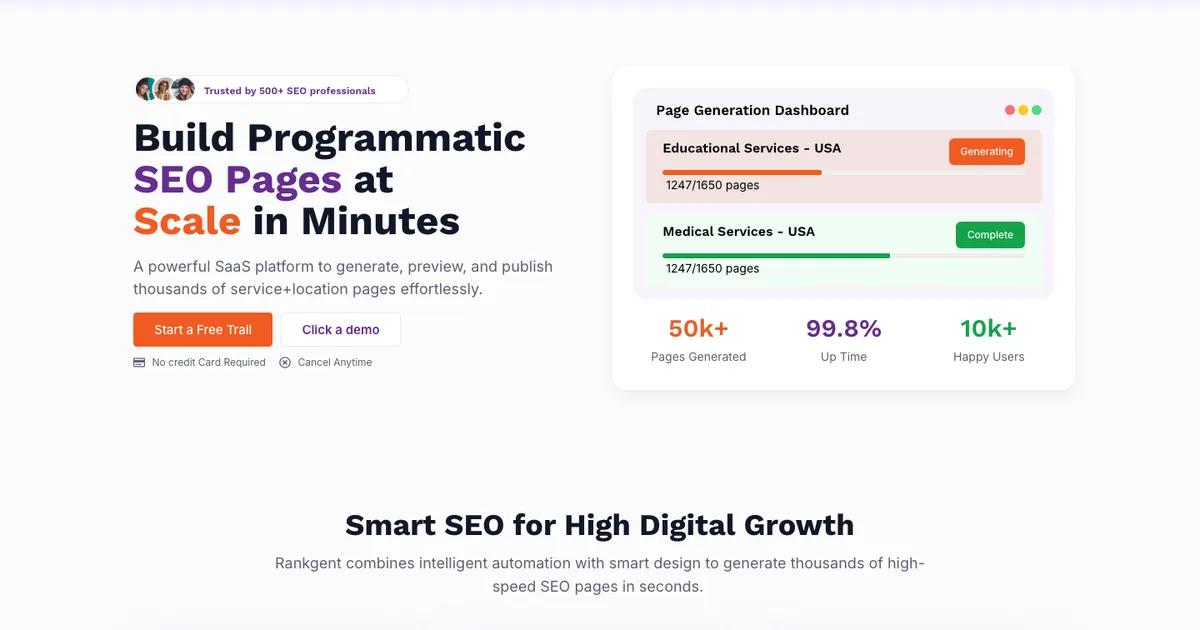
Programmatic SEO platform — generate, preview, and publish thousands of service + location pages in minutes. Trusted by 500+ SEO professionals.
Page-generation engine: templating, bulk preview, and publishing at 50K+ pages scale.
Also trusted by









FAQ
One well-scoped product: a RAG assistant over your documents, an LLM-powered workflow tool, an agent that automates a defined process, or an AI feature inside an existing product. The scoping call is where we confirm the idea fits the window — if it doesn't, we say so and propose a phased plan instead.
The sprint is fixed-price, quoted at the scoping call based on scope — from $5,500 ≈ €4,800 / £4,100 / A$7,900. Because the team is senior engineers on an India cost base with US/EU timezone overlap, the price is typically a fraction of an equivalent US or UK agency build.
You do, fully. The sprint delivers into your repository and your cloud accounts, with IP assignment in the contract. Nothing is locked to NavyaAI infrastructure.
Yes — most sprint clients are in those regions. We schedule scoping, demos, and standups with real timezone overlap, contracts are GDPR-aware for EU data, and delivery happens in your cloud region.
Every sprint includes a 2-week support window. After that, teams either take the product forward themselves (it's their code), continue with our end-to-end product development team, or move into cost-optimization work as usage grows.